

Local Amenities Shaping Miami's Rising Neighborhoods
Local amenities play a vital role in shaping Miami’s rising neighborhoods. Understanding how these facilities enhance living conditions can help residents and investors alike make informed decisions. This article will examine key amenities in popular areas, explore the economic benefits they bring, and highlight successful revitalization case studies. By engaging with this content, readers can grasp how local amenities impact community growth, addressing the challenge of finding suitable living environments in a dynamic city.
Local Amenities Shaping Miami's Emerging Neighborhoods
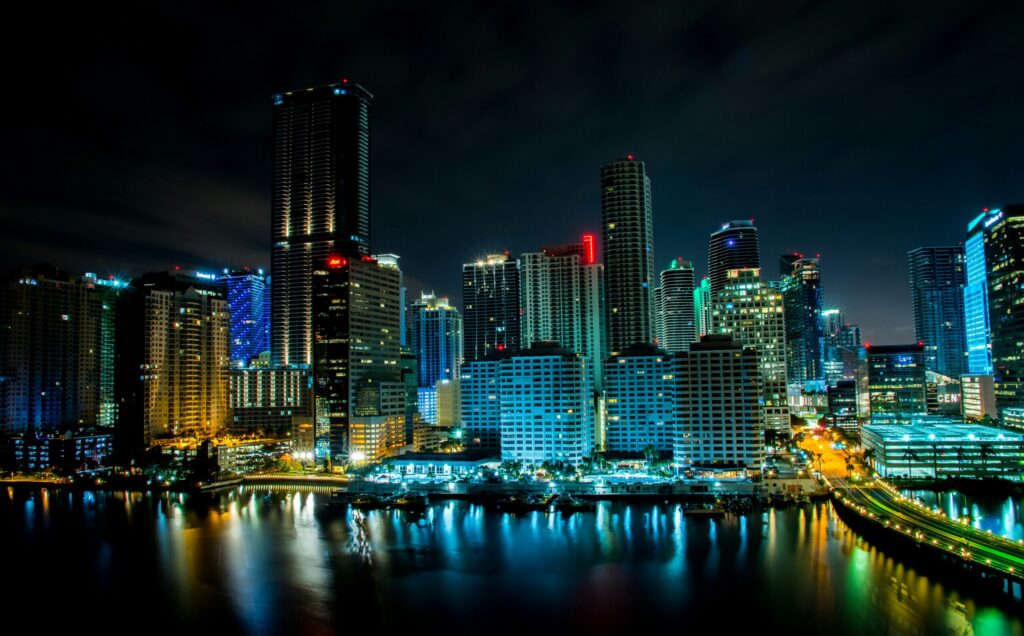
Understanding the role of amenities in urban development is crucial for Miami’s neighborhoods, especially in up and coming neighborhoods in miami. Key types of amenities—such as public spaces, health and wellness facilities, and educational institutions—significantly influence community engagement and growth. For example, modern architecture in areas like Brickell exemplifies how infrastructure enhances local life and promotes thriving suburbs. These elements collectively shape the future of Miami’s emerging neighborhoods.
Understanding the Role of Amenities in Urban Development
The role of amenities in urban development is pivotal, particularly when examining neighborhoods like Little Haiti and Edgewater. Accessible entertainment options, parks, and community centers foster social interaction, enhancing community cohesion. Furthermore, these amenities can play a significant role in addressing issues such as homelessness, creating welcoming environments that cater to a diverse population while promoting sustainability and growth within
Key Types of Amenities Influencing Miami's Neighborhoods
Key types of amenities such as parks, retail spaces, and health facilities significantly influence Miami’s neighborhoods. For instance, Brickell City Centre exemplifies urban planning efforts aimed at creating vibrant community spaces that attract attention and foster social interaction, thus energizing the surrounding areas. Policies that prioritize accessible amenities play a vital role in shaping the urban fabric, promoting sustainability while enhancing quality of life for residents.
The Impact of Public Spaces on Community Engagement
Public spaces play a critical role in fostering community engagement within Miami’s neighborhoods, particularly in areas like Coconut Grove and Miracle Mile. These locations provide an inviting atmosphere for residents and visitors alike, encouraging interactions that strengthen social ties. However, without careful urban planning in the central business district, there is a risk of losing the sense of community that these spaces are meant to promote, highlighting the importance of maintaining accessible and welcoming environments for all.
Health and Wellness Facilities Transforming Local Life
Health and wellness facilities are becoming essential components of Miami’s rising neighborhoods, particularly in areas like Coconut Grove, where culture and community are intertwined. For home buyers, the availability of gyms, wellness centers, and healthcare services within the built environment is a significant draw, influencing their decision-making process. These amenities not only support the physical well-being of residents but also enhance the overall quality of life by fostering a healthy climate that encourages social interactions and community engagement.
Educational Institutions and Their Contribution to Growth
Educational institutions serve as catalysts for growth in Miami’s up-and-coming neighborhoods by not only enhancing skill development but also supporting community engagement. Schools, universities, and art galleries foster cultural enrichment while addressing diverse needs such as counseling services, which are essential for student well-being. As these neighborhoods continue to expand, the presence of affordable housing near quality educational facilities further attracts families and individuals seeking a nurturing environment that promotes long-term stability and growth.
Popular Neighborhoods and Their Unique Amenities
Wynwood‘s vibrant art scene and cultural offerings attract residents and visitors while enriching property values. The culinary landscape of Little Havana continues to grow, enhancing nightlife experiences. Innovative retail spaces in the Design District redefine shopping, and Coral Gables prioritizes parks and recreation areas for community accessibility. Edgewater‘s waterfront attractions further enhance the local lifestyle, Promoting a cohesive village environment.
Wynwood's Art Scene and Cultural Offerings
Wynwood has emerged as a vibrant hub for art and culture, comparable to New York City‘s dynamic landscape. Renowned for its art deco influences and colorful street murals, this neighborhood showcases a unique blend of contemporary creativity and historical architecture. Regular art events and galleries attract not only locals but also tourists, stimulating community engagement while enhancing property values and making Wynwood a focal point for cultural offerings in Miami.
The Growing Culinary Landscape of Little Havana
The culinary landscape of Little Havana is experiencing a remarkable transformation, driven by urban renewal efforts and thoughtful zoning regulations. As the neighborhood’s geography attracts both residents and tourists, local eateries have adapted to the growing demand for diverse dining options, offering rich flavors that highlight traditional Cuban cuisine. Amid the city’s heat, these establishments foster a vibrant community atmosphere, drawing people together to savor the culinary heritage while contributing to the area’s economic revitalization.
Innovative Retail Spaces in the Design District
The innovative retail spaces in the Design District exemplify how a well-planned community can enhance both the shopping experience and the local economy. This area is home to high-end boutiques, art galleries, and unique dining options, all designed to attract a diverse range of visitors and residents. By prioritizing mixed-use developments that encourage foot traffic and social interaction, the Design District not only boosts local businesses but also fosters a vibrant community atmosphere that supports long-term growth.
The Importance of Parks and Recreation Areas in Coral Gables
Parks and recreation areas play a vital role in shaping Coral Gables by providing residents with accessible green spaces for relaxation, exercise, and social interaction. These amenities promote a healthy lifestyle and serve as community gathering spots, attracting families and individuals looking for recreational opportunities. With well-maintained parks and organized events, such as outdoor movie nights and fitness classes, Coral Gables fosters a sense of community while enhancing the overall quality of life for its residents.
Waterfront Attractions Enhancing the Lifestyle in Edgewater
Edgewater‘s waterfront attractions significantly enrich the local lifestyle by offering residents and visitors picturesque views, recreational activities, and community engagement opportunities. The scenic parks along Biscayne Bay provide spaces for jogging, picnicking, and leisure, fostering a vibrant outdoor culture. Additionally, waterfront dining establishments create inviting social environments, drawing people to experience the area’s dynamic culinary offerings while enjoying the beautiful coastal scenery.
Economic Benefits of Local Amenities in Miami
Proximity to local amenities significantly influences economic trends in Miami’s emerging neighborhoods. Increased property values are directly tied to the availability of essential facilities, while new commercial developments create job opportunities. These amenities appeal to young professionals and families, leading to community growth. Local businesses thrive, fostering economic stability and enhancing tourism through vibrant offerings that attract visitors.
Increasing Property Values Due to Proximity to Amenities
The proximity of local amenities plays a significant role in boosting property values within Miami’s neighborhoods. Areas that offer convenient access to parks, shopping centers, and health facilities become highly sought after, attracting homebuyers willing to invest at higher rates. For example, neighborhoods like Edgewater have seen property prices soar as the demand for residences near the waterfront and vibrant retail options continues to grow, illustrating how essential amenities enhance market appeal and contribute to long-term investment stability.
Job Creation Linked to New Commercial Developments
The development of new commercial properties in Miami significantly contributes to job creation, effectively stimulating local economies. As businesses establish themselves in emerging neighborhoods, they generate employment opportunities across various sectors, from retail to hospitality. For instance, the growth of urban centers like Wynwood and the Design District has led to an influx of jobs that not only attract professionals but also support the community by enhancing its economic resilience and fostering a diverse work environment.
How Amenities Attract Young Professionals and Families
Local amenities play a crucial role in attracting young professionals and families to Miami’s emerging neighborhoods. Quality parks, fitness centers, and vibrant dining options create an appealing environment that meets the lifestyle preferences of this demographic. For instance, neighborhoods with accessible public spaces and recreational facilities not only enhance the overall quality of life but also position themselves as desirable locations for those seeking a community-oriented atmosphere.
The Role of Local Businesses in Supporting Community Growth
Local businesses are fundamental to the vitality and growth of Miami’s emerging neighborhoods. They not only create job opportunities but also serve as hubs for community interaction, fostering relationships among residents. For example, small cafes and shops establish a sense of place, drawing people together and enhancing the neighborhood’s overall appeal, which attracts further investment and development.
Enhancing Tourism Through Vibrant Neighborhood Offerings
Vibrant neighborhood offerings in Miami play a pivotal role in enhancing tourism, attracting visitors eager to experience local culture and cuisine. Areas like Wynwood and Little Havana, with their unique art scenes and culinary delights, showcase the city’s rich diversity, encouraging tourists to explore beyond the typical attractions. By fostering welcoming environments filled with local businesses, events, and recreational opportunities, these neighborhoods not only draw tourists but also stimulate economic growth, benefiting residents and businesses alike.
Case Studies on Successful Neighborhood Revitalization
This section delves into various case studies highlighting the impact of local amenities on Miami’s neighborhoods. It examines Wynwood‘s transformation driven by local investment, shares insights from Little Havana‘s community development projects, and discusses the role of amenities in Overtown’s gentrification. Additionally, it analyzes resident feedback on new features in the Design District and showcases successful community initiatives that are reshaping these areas.
Examining Wynwood's Transformation Through Local Investment
Wynwood has undergone a remarkable transformation fueled by local investment, which has reinvigorated the neighborhood while preserving its unique cultural essence. Strategic development initiatives have introduced amenities such as art galleries, creative workspaces, and engaging public spaces that attract both residents and visitors, fostering a lively urban atmosphere. This redevelopment model showcases how targeted investments in local amenities can stimulate community growth, enhance property values, and create an inviting environment that encourages social interaction.
Lessons From Little Havana's Community Development Projects
Little Havana‘s community development projects exemplify how targeted investments in local amenities can drive revitalization. Efforts to enhance public spaces, such as parks and plazas, have not only attracted visitors but also strengthened community bonds among residents. By integrating cultural elements and supporting local businesses, these initiatives promote economic growth while maintaining the neighborhood’s rich heritage, creating a vibrant hub that honors its roots while embracing modern development.
The Role of Local Amenities in the Gentrification of Overtown
The gentrification of Overtown illustrates how local amenities contribute to neighborhood revitalization. The introduction of art galleries, restaurants, and parks has transformed this historically significant area into an appealing destination for new residents and visitors alike. These amenities foster community engagement and stimulate economic activity, while also raising concerns about affordability and displacement among long-time residents, highlighting the need for balanced development strategies that prioritize inclusivity.
Analyzing Resident Feedback on New Amenities in Design District
Resident feedback on new amenities in the Design District highlights the positive impact of thoughtful urban planning on community satisfaction. Many locals appreciate the integration of public spaces, which provide areas for social interactions and events, fostering a sense of belonging. Moreover, access to diverse retail options and cultural experiences enhances the appeal of the neighborhood, reflecting the desires of residents for a vibrant and engaging environment that supports their lifestyle needs.
The Success of Community Initiatives in Shaping Neighborhoods
Community initiatives in Miami have proven effective in shaping neighborhoods by fostering inclusivity and promoting local engagement. For example, collaborative projects that enhance public spaces create areas for social interaction and community events, leading to stronger ties among residents. By addressing specific needs, such as supporting local businesses and improving public safety, these initiatives not only revitalize communities but also contribute to the overall economic stability of Miami’s rising neighborhoods.
Future Trends in Local Amenities in Miami
The demand for sustainable and eco-friendly spaces is reshaping Miami’s urban landscape, reflecting a growing consciousness among residents. Technology-driven amenities, such as smart community concepts, are set to enhance convenience and efficiency. Predictions for the next wave of neighborhoods emphasize inclusivity in planning, ensuring diverse community needs are met. Furthermore, local government initiatives are crucial for guiding effective neighborhood development, promoting growth that benefits all residents.
The Growing Demand for Sustainable and Eco-Friendly Spaces
The rising demand for sustainable and eco-friendly spaces in Miami’s neighborhoods reflects a collective awareness among residents regarding environmental issues. New developments increasingly incorporate green building practices, energy-efficient systems, and native landscaping, creating healthier living environments that also reduce carbon footprints. For example, community parks designed with permeable surfaces and native plants not only enhance biodiversity but also provide recreational opportunities, thereby fostering community engagement while addressing environmental concerns.
Technology-Driven Amenities and Smart Community Concepts
Technology-driven amenities are transforming Miami’s neighborhoods, reflecting an increasing emphasis on smart community concepts designed to enhance resident experience. For instance, features like intelligent traffic management systems and smart lighting in public spaces not only improve safety but also optimize energy consumption, appealing to environmentally conscious residents. As neighborhoods adapt these technological advancements, they create more connected and efficient environments that cater to the evolving needs of their communities.
Predictions for the Next Wave of Emerging Neighborhoods
As Miami’s neighborhoods continue to evolve, the next wave of emerging communities is expected to prioritize inclusive design and accessibility. Planners are likely to incorporate mixed-use developments that blend residential spaces with retail and recreational areas, catering to the diverse needs of residents. This approach will not only enhance community engagement but also foster a sense of belonging, making these neighborhoods attractive to families and professionals seeking vibrant living environments.
Importance of Inclusivity in Future Urban Planning
Inclusivity in future urban planning is essential for creating neighborhoods that cater to diverse populations in Miami. By designing spaces that accommodate a variety of backgrounds, abilities, and economic situations, urban planners can foster environments where all residents feel welcome and valued. Implementing community feedback in the planning process ensures that local amenities meet the specific needs of different groups, promoting social equity and enhancing overall quality of life.
How Local Government Initiatives Can Shape Neighborhood Development
Local government initiatives play a vital role in shaping neighborhood development in Miami by establishing policies that prioritize community needs and sustainable growth. Through comprehensive planning efforts and collaboration with residents, these initiatives can lead to the creation of essential local amenities, such as parks, healthcare facilities, and educational institutions, which enhance the overall quality of life for residents. For example, initiatives aimed at increasing green spaces not only improve environmental conditions but also encourage community engagement, making neighborhoods more attractive and livable for diverse populations.
Community Engagement and Participation in Development
Local residents play a crucial role in shaping the amenities of Miami’s neighborhoods, ensuring their needs and preferences are reflected in development. Effective strategies for community input foster collaboration between local governments and organizations, leading to successful, community-driven projects. Engaging diverse populations in the development process ensures that all voices are heard, contributing to a holistic approach that enhances neighborhood vitality.
The Role of Local Residents in Shaping Amenities
Local residents are instrumental in shaping amenities that meet the specific needs of their communities in Miami’s rising neighborhoods. Their feedback during public forums and community meetings ensures that development projects align with the preferences and priorities of those who will use these facilities. For instance, successful engagement efforts, such as surveys and interactive workshops, empower residents to voice their opinions on parks, recreational spaces, and health facilities, ultimately fostering a sense of ownership and belonging within the community.
Strategies for Effective Community Input and Feedback
Engaging local residents in the development process requires effective strategies that prioritize their input and feedback. Utilizing community workshops and interactive digital platforms can foster participation, allowing residents to express their ideas and concerns about proposed amenities. Incorporating this feedback into planning ensures that new developments align with community needs, ultimately creating spaces that enhance the quality of life in Miami’s rising neighborhoods.
Partnerships Between Local Governments and Organizations
Partnerships between local governments and organizations are essential for effectively shaping Miami’s rising neighborhoods. These collaborations enable government officials to leverage resources and expertise from non-profit and community groups, ensuring that local amenities align with residents’ needs. Examples of successful partnerships include initiatives where city planners work alongside local businesses to develop green spaces and recreational facilities, fostering community involvement and creating vibrant environments that enhance the overall quality of life.
Case Studies on Successful Community-Driven Projects
Case studies highlight several successful community-driven projects that have significantly impacted Miami’s neighborhoods. For example, the revitalization of Little Havana involved extensive collaboration between residents, local artists, and city planners, which led to the creation of cultural festivals and public art installations that celebrate the area’s heritage. These projects not only enhanced local amenities but also fostered a strong sense of community and pride among residents, demonstrating the effectiveness of engaging diverse voices in development initiatives.
Engaging Diverse Populations in the Development Process
Engaging diverse populations in the development process is essential for creating inclusive neighborhoods in Miami. By actively involving community members from various backgrounds, planners can gather valuable insights that reflect the unique needs of different cultural and socioeconomic groups. For instance, holding workshops in multiple languages and utilizing localized outreach methods fosters a sense of ownership among residents, ensuring that local amenities cater effectively to their distinct preferences and lifestyles.
Conclusion
Local amenities are fundamentally transforming Miami’s rising neighborhoods by enhancing community engagement and driving economic growth. Parks, health facilities, and educational institutions create vibrant environments that attract residents and foster social interaction. As neighborhoods evolve, prioritizing inclusivity and sustainability in urban planning becomes essential for meeting diverse community needs. Ultimately, investing in local amenities strengthens Miami’s cultural fabric and ensures lasting appeal for future generations.