

A Look at Current Average Home Prices in Miami’s Hot Spots
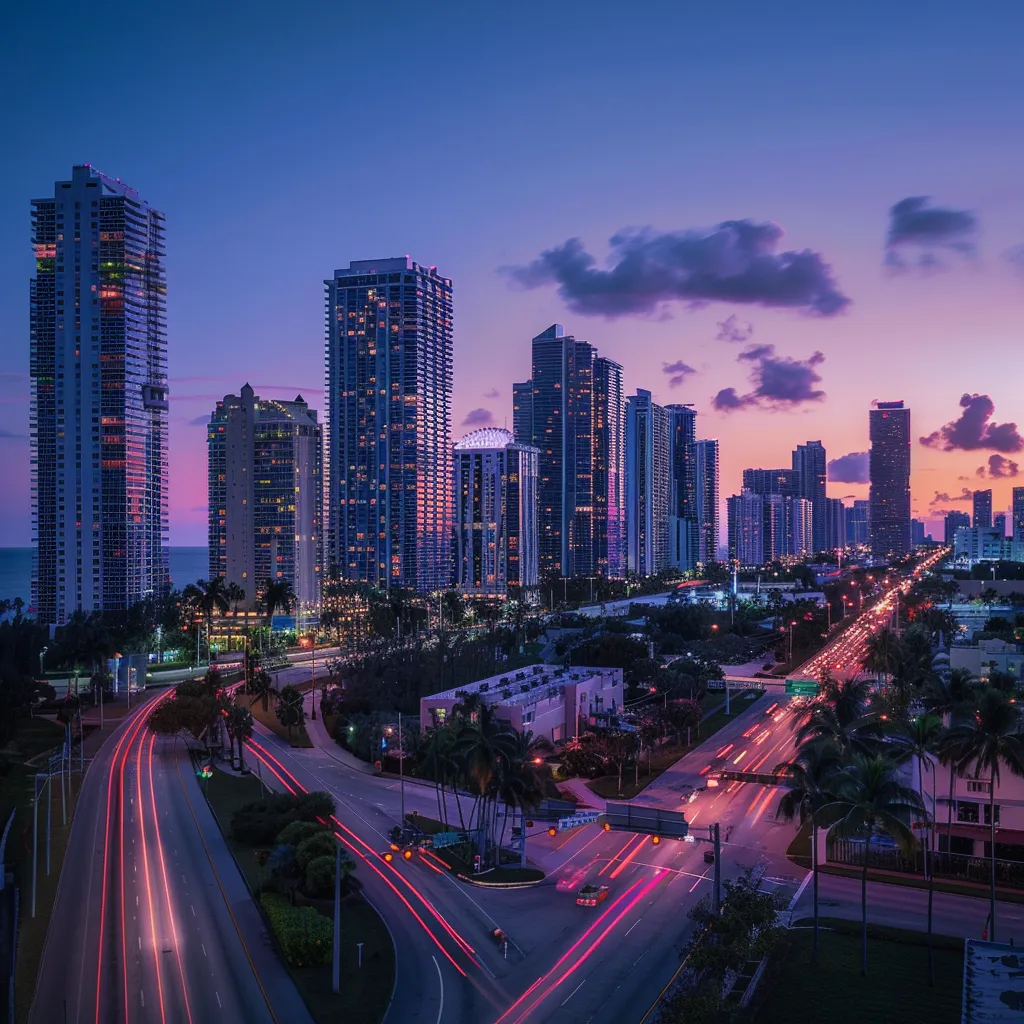
Current Average Home Prices in Miami’s Hottest Up-and-Coming Neighborhoods
Miami’s real estate market is dynamic, with many buyers seeking homes in emerging neighborhoods. Current data indicates that understanding average home prices in these areas is critical for making informed decisions. This blog post will break down the current average home prices in Miami’s hottest up-and-coming neighborhoods for 2023, provide detailed profiles of these locations, and discuss the factors influencing their prices. Readers will discover valuable insights to navigate the housing market, helping them make better purchasing decisions in a competitive landscape.
Overview of Miami’s Up-and-Coming Neighborhoods
Up-and-coming neighborhoods in Miami are defined by their evolving characteristics and increased desirability. Factors driving this change include local development projects that enhance infrastructure and boost quality of life in up and coming neighborhoods in miami. As neighborhoods transform, they attract diverse communities, including influences from Latin America, ultimately reshaping the Miami metropolitan area. A focus on sea level considerations also plays a critical role in their development within up and coming neighborhoods in miami.
Defining Up-and-Coming Neighborhoods in Miami
Defining up-and-coming neighborhoods in Miami involves assessing areas experiencing substantial growth in both development and desirability. According to the United States Census Bureau, these neighborhoods often show an increase in affordable housing options, drawing diverse populations, particularly from Latin backgrounds. The rising interest in local tourism further supports revitalization efforts, leading to enhancements in infrastructure, amenities, and overall quality of life, which in turn affects current average home prices significantly.
Characteristics of Emerging Areas
Emerging areas in Miami exhibit notable characteristics that enhance their appeal as desirable locations for homebuyers. Accessibility to public transportation and key amenities plays a significant role in attracting residents, particularly those engaged in remote work who seek convenient commutes. As these neighborhoods evolve into vibrant community hubs, they often become valuable assets, generating interest from diverse demographics, including potential buyers wary of foreclosure trends in other parts of the city. This transformation positions these areas as essential components of Miami’s identity as a global city, catering to the needs of a burgeoning population eager for accessible lifestyles.
Factors Driving Change in Neighborhood Status
The dynamics of supply and demand play a critical role in shaping the status of up-and-coming neighborhoods in Miami, particularly in areas like Wynwood, where inventory levels are closely matched with rising demand. As potential homebuyers seek out affordable options in vibrant communities, the interplay between available property listings and the interest from both investors and residents greatly influences residential prices. Climate considerations, including the effects of sea level rise on real estate, further impact buyers’ decisions, prompting a focus on neighborhoods that combine growth potential with sustainability.
The Impact of Local Development Projects
Local development projects significantly influence the landscape of Miami’s emerging neighborhoods, contributing to cultural revitalization and increased property valuation. As new amenities and infrastructure enhancements arise, they often drive up the cost of living, making these areas increasingly attractive to potential buyers and investors. Estate agents note that such developments not only improve quality of life but also create vibrant communities that reflect the wealth and diversity of the region, ultimately shaping the real estate market’s dynamics.
Current Average Home Prices in Miami’s Up-and-Coming Neighborhoods
Price comparisons among notable neighborhoods reveal significant fluctuations in average home prices across Miami’s up-and-coming areas for 2023. Trends indicate a dynamic shift toward affordability, driven by urban sprawl and the demand for suburb living. Insights into past price changes highlight the factors influencing buyers, including credit availability and resilience against storms, as more individuals seek vacation homes in desirable locations.
Price Comparison Among Notable Neighborhoods
The comparison of average home prices within notable neighborhoods in Miami reveals stark contrasts directly influenced by factors such as proximity to the Atlantic Ocean and recent population growth. For instance, areas like Wynwood and Little Havana show an increasing trend in real estate investments, appealing to buyers seeking potential cash flow opportunities from rental properties. Ben Johnson, a local real estate expert, highlights that the demand for these neighborhoods is driven by their cultural vibrancy and competitive pricing, drawing both young professionals and retirees interested in the unique lifestyle Miami offers.
Trends in Price Fluctuations
In 2023, trends in property price fluctuations in Miami’s up-and-coming neighborhoods reveal a complex landscape characterized by growing demand amid a significant property shortage. As employment rates in the south rise and more individuals seek housing options, prices continue to increase, reflecting the high interest in these evolving areas. Additionally, the need for property insurance is becoming more pronounced, with potential buyers looking to secure their investments against the backdrop of climate concerns and economic shifts.
Insights Into Price Changes Over Recent Years
Recent years have shown notable price shifts in Miami’s real estate market, highlighting the increasing interest in neighborhoods like Little Havana. The median home prices have surged as construction projects enhance local amenities, attracting a diverse range of buyers. According to local real estate agents, these trends reflect both heightened demand and a strategic focus on affordability, with properties in these emerging areas often presenting investment opportunities for those looking to capitalize on the evolving landscape.
Understanding the Dynamics of Affordability
Understanding the dynamics of affordability in Miami’s up-and-coming neighborhoods is crucial for both potential homebuyers and real estate investors. The interplay of home prices, local market conditions, and the necessity of home insurance significantly influences buyer confidence. As neighborhoods evolve, the associated risks and opportunities arise for real estate investing, prompting buyers to evaluate properties not just for immediate affordability but also for long-term value and sustainability.
Detailed Profiles of Up-and-Coming Neighborhoods
The exploration of Miami’s hottest up-and-coming neighborhoods for 2023 begins with Wynwood, known for its artistic atmosphere and rising home values. Little Havana showcases cultural heritage alongside modern development, while Allapattah offers affordable housing options near major areas. Coconut Grove provides a unique blend of nature and urban living, and Overtown demonstrates significant revitalization, impacting housing prices. Each neighborhood presents distinct opportunities for cash investments and asset protection, informed by trends following the pandemic and proximity to Biscayne Bay.
Wynwood: An Artistic Hub With Rising Home Values
Wynwood has emerged as a vibrant artistic hub in Miami, characterized by its colorful street art and unique galleries, which contribute to a rapidly rising real estate market. As of 2023, the average list price for condominiums in this zip code reflects a strong demand driven by young professionals and artists looking for both a dynamic community and investment opportunities. The ongoing challenges posed by climate change also compel developers to consider sustainable options, further enhancing the neighborhood’s appeal and positioning it as a promising area for prospective buyers and investors alike.
Little Havana: Cultural Heritage Meets Modern Development
Little Havana stands out as an intriguing blend of cultural heritage and modern development, making it a focal point for real estate investment in Miami. As the neighborhood continues to attract attention, the profit potential for investors remains strong, particularly against rising inflation concerns that affect overall living costs. Insights from the Bureau of Labor Statistics suggest that housing prices in Little Havana are poised for upward movement, reinforcing predictions of sustained interest and demand as the community balances its rich cultural backdrop with contemporary amenities.
Allapattah: Affordable Options Near Major Areas
Allapattah presents a unique opportunity for homebuyers seeking affordable housing options close to major areas of Miami. Known for its diverse community and proximity to Little Havana and Coconut Grove, this neighborhood has become increasingly appealing, especially for those looking for townhouses at manageable price points. With fluctuating interest rates, buyers can find favorable conditions to invest in this rising area, which mirrors the affordable housing dynamics seen in urban markets like New York City.
Coconut Grove: A Blend of Nature and Urbanity
Coconut Grove remains a compelling option for homebuyers seeking a harmonious blend of nature and urban living. In 2023, average home prices in this neighborhood reflect a robust demand, with many properties attracting buyers eager to escape the potential recession pressures felt elsewhere in Miami. Recent discussions among creditors highlight trends indicating a percentage increase in contract activity, as residents from nearby Brickell search for more spacious environments while maintaining easy access to urban amenities.
Overtown: Revitalization and Its Effects on Housing Prices
Overtown, a neighborhood within the Miami metropolitan area, is experiencing significant revitalization that directly impacts housing prices. As developers invest in new projects and refurbishments, the demand for rental properties has increased, drawing landlords interested in tapping into this evolving market. This transformation is further influenced by economic factors such as adjustments from the Federal Reserve, which could affect interest rates and the overall affordability of homes in South Florida, making Overtown a key area for potential buyers and investors seeking growth opportunities.
Factors Influencing Home Prices in Miami’s Emerging Areas
Economic growth and job opportunities significantly influence home prices in Miami’s emerging areas as new developments attract residents seeking higher incomes. Improved infrastructure and transportation enhance accessibility, while community amenities and lifestyle offerings shape neighborhood desirability. Gentrification continues to play a role in price increases, highlighting the complexities surrounding factors like sea level rise and their impact on future investments.
Economic Developments and Job Growth
Economic developments and job growth play a crucial role in shaping the real estate market in Miami’s emerging neighborhoods. As new businesses and industries establish themselves, they create job opportunities and attract an influx of residents. This surge in population drives the supply and demand dynamics, leading to increased home prices in areas like Wynwood and Little Havana, where the local economy is thriving, making these neighborhoods highly sought after by potential buyers and investors.
Transportation Improvements and Accessibility
Transportation improvements and enhanced accessibility are pivotal factors influencing home prices in Miami’s emerging neighborhoods. Areas undergoing infrastructure upgrades, such as the expansion of public transit options and better road connectivity, become increasingly desirable for homebuyers seeking convenient commutes. For instance, neighborhoods like Wynwood and Little Havana benefit from improved transportation networks, attracting residents who prioritize easy access to downtown Miami and surrounding areas, which subsequently drives up property values.
Community Amenities and Lifestyle Offerings
Community amenities and lifestyle offerings significantly influence home prices in Miami’s emerging neighborhoods. Areas rich in parks, restaurants, and cultural institutions attract potential buyers seeking vibrant living environments. For instance, neighborhoods like Wynwood and Little Havana are not only known for their affordable housing but also for their lively arts scene and diverse culinary options, making them appealing to families and young professionals alike, which subsequently drives property values higher.
Gentrification and Its Role in Price Increases
Gentrification plays a significant role in the rising home prices within Miami’s emerging neighborhoods, as renovations and new developments attract higher-income residents. This influx can lead to enhanced local amenities and improved infrastructure, creating a more desirable environment but also contributing to increased living costs. As long-time residents face displacement due to price surges, it becomes crucial for potential buyers and investors to understand both the opportunities and challenges presented by gentrification in these evolving areas.
Predictions for Future Home Prices in 2024
Anticipated trends in Miami’s housing market suggest a steady increase in home prices for 2024, as analysis indicates continued demand for up-and-coming neighborhoods. Expert opinions forecast significant price growth, driven by economic factors and ongoing development. However, potential challenges, such as rising interest rates and climate-related concerns, may impact this upward trajectory. These insights set the stage for a deeper exploration of market dynamics.
Anticipated Trends Based on Market Analysis
Market analysis indicates that home prices in Miami’s up-and-coming neighborhoods are likely to continue their upward trajectory into 2024. Factors such as ongoing development, increased demand for housing, and shifts in buyer preferences suggest a sustained interest in these vibrant areas. With economic growth and job creation fueling population influx, neighborhoods like Wynwood and Little Havana are expected to see significant price gains, presenting both opportunities and challenges for prospective homebuyers and investors.
Expert Opinions on Price Projections
Experts predict that home prices in Miami’s up-and-coming neighborhoods will experience continued growth into 2024, driven by persistent demand and improving local economies. Real estate analysts emphasize that as new developments and businesses emerge, neighborhoods like Wynwood and Little Havana are likely to attract a broader demographic of buyers, further fueling competition in the housing market. With anticipated changes in interest rates and ongoing infrastructure enhancements, prospective buyers should prepare for significant price movements, making informed decisions essential for capitalizing on potential opportunities.
Potential Challenges Impacting Future Growth
As Miami’s housing market anticipates growth in 2024, several challenges could hinder this upward trend. Rising interest rates may lead to decreased affordability, making it harder for potential buyers to secure homes in the city’s vibrant neighborhoods. Moreover, climate-related concerns, particularly regarding sea level rise, could deter investment and lead to increased insurance costs, complicating the decision-making for both buyers and investors in these evolving markets.
Tips for Home Buyers in Up-and-Coming Neighborhoods
Identifying value in emerging markets requires homebuyers to assess local trends and property potential. Navigating financing options and understanding current mortgage rates can significantly influence purchasing decisions. Timing the market effectively allows buyers to maximize benefits, while familiarity with local zoning and development regulations ensures informed investments. These considerations will aid prospective buyers in making strategic choices in Miami’s dynamic housing landscape.
Identifying Value in Emerging Markets
Identifying value in emerging markets requires potential homebuyers to conduct thorough research on local trends and development plans. Prospective buyers should look for neighborhoods that exhibit signs of growth, such as recent infrastructure improvements or an influx of new businesses. For instance, areas like Wynwood and Little Havana have attracted investments that not only enhance property values but also improve the overall community appeal, making them solid investment options in Miami’s evolving real estate landscape.
Navigating Financing Options and Mortgage Rates
Navigating financing options and understanding mortgage rates is essential for homebuyers looking to invest in Miami’s hottest up-and-coming neighborhoods. Potential buyers should consider consulting with mortgage brokers to explore various loan types, including FHA and conventional loans, which may offer favorable terms based on individual financial situations. Awareness of current interest rates and their impact on monthly payments allows buyers to make informed decisions and enhances their ability to secure a property before prices rise in these desirable areas.
Timing Your Purchase for Maximum Benefit
Timing a purchase in Miami’s up-and-coming neighborhoods is essential for maximizing benefits, especially as average home prices continue to rise. Buyers should closely monitor market trends and seasonal fluctuations in property availability, as making a purchase during less competitive times can result in better deals. Engaging with local real estate professionals who understand neighborhood dynamics can provide valuable insights, helping buyers identify the optimal moment to act before prices climb further.
Understanding Local Zoning and Development Regulations
Understanding local zoning and development regulations is essential for homebuyers looking to invest in Miami’s up-and-coming neighborhoods. These regulations dictate what types of properties can be built or modified, impacting the potential for future development and property appreciation. By familiarizing themselves with zoning laws, buyers can assess how future projects may enhance property values or affect the living environment, ultimately guiding informed investment decisions in a rapidly evolving market.
Conclusion
Current average home prices in Miami’s hottest up-and-coming neighborhoods reveal significant trends that potential buyers and investors must recognize. By understanding the fluctuations in property values, individuals can identify lucrative opportunities that align with their financial goals. The interplay of demand, local development, and unique community characteristics underscores the importance of timely decision-making in these evolving markets. As the landscape continues to shift, remaining informed about average home prices will be crucial for navigating Miami’s dynamic real estate environment.